The Whole Wheat Story in Four Courses
Welcome to Food for Health, a brand-new series on “good food for good health”. Food for Health will bring together local experts on nutrition, biology, gardening, sustainable agriculture, cooking, and community health to share how the food we grow, prepare and enjoy impacts lifelong health. We will explore not only how good food can improve our personal health but also how it can enhance community well-being and even regenerate land, soil, air and water for generations to come.
Our initial talks will focus on wheat---telling The Whole Wheat Story in Four Courses. For millennia, wheat has nourished civilizations. It remains one of the world’s most important staple foods, providing affordable, accessible nutrition to billions of people. Wheat is the basis of traditional foods that bring people together across the globe — from breads and pastas to tortillas, noodles, and porridges. Its ability to grow in many climates, store well, and provide dependable calories and nutrients has made wheat central to food security. The importance of wheat became even clearer when the war in Ukraine, one of the world’s great “breadbaskets”, disrupted grain supplies and threatened food security in many parts of the world. In The Whole Wheat Story, we will explore the value and quality of wheat and its remarkable story through the lens of history, nutrition, agriculture, sustainability, and health.
This series of four talks on The Whole Wheat Story will each include information and a Q & A session. Sessions will run on consecutive Tuesdays in June---June 9, 16, 23, and 30 from 6-7pm. Please join us in person at the Brown County Central Library or virtually by signing up on our website: newleaffoods.org
Our first talk on Tuesday June 9th, Seeds of Culture: How Wheat Shaped Our History, will cover the history of wheat. As a regular staple in our diet, we probably don’t think about where wheat originated from and how it has changed over time. Wheat has been consumed for more than 20,000 years and cultivated for around 10,000 years. In this first session, we will share information about the history and cultivation of wheat over the centuries as well as the changes in variety grown and developed.
In our second session on June 16th, Know Your Wheat: Choosing the Right Grain for Every Use, we will cover the types of modern wheat available today and how the varieties composition dictates their use in various food products. By learning about the properties of and differences between these available wheats and wheat products, you will be able to make informed choices in the kitchen and grocery store for your needs.
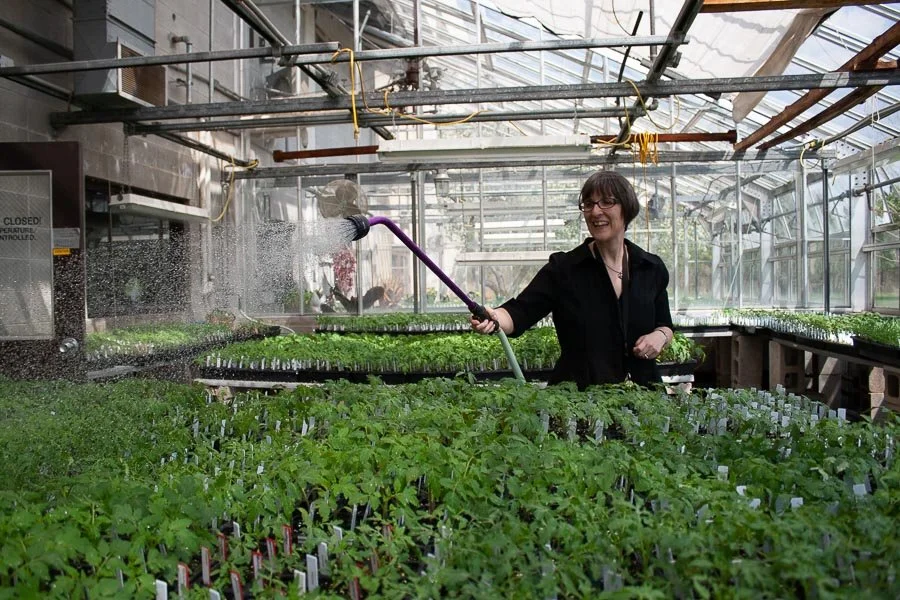
These first two presentations on The Whole Wheat Story will be by Vicki Medland, PhD biologist. Dr. Medland worked for 20 years at UWGB’s Center for Biodiversity as associate director where she managed various education, outreach projects and student intern programs and conducted research in agricultural biodiversity and the ethics of collecting wild organisms. She also taught courses in ecology and nutritional science for the human biology and Natural & Applied science department at UWGB. Since retiring from UWGB she volunteers with local ecology, biodiversity, and food programs and teaches food and gardening classes for Lifelong Learning. She is also the coordinator for the NAS Heirloom Plant sale.
With all the various sources of nutrition information, it’s no wonder that wheat has a reputation for being good and bad in the average diet. In the third session on June 23rd titled “Wheat And Wellness: Understanding its Nutritional Power”, we will talk about the nutritional information about wheat, including how and why it is a great part of a healthy diet when foods are chosen wisely. We will talk briefly about how gluten, a component of wheat, can be intolerable for some people to consume.
With all this history and information, we end the series in session four on June 30th with our final presentation “From Seed to Table: The art of Cooking with Wheat” a more in-depth look and taste testing session of a few of the multitude of ways to incorporate wheat in our day-to-day food choices. Recipes will be shared and taste buds tempted as we put all this amazing knowledge to use in our kitchens and families.
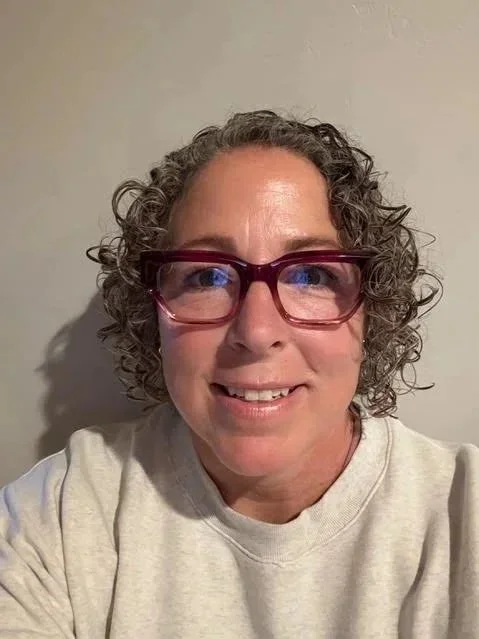
The last 2 presentations in The Whole Wheat Story will be by me, Michelle Nowak. I am a registered dietitian and have been since 2001. I worked as a clinical and community outreach dietitian, doing medical nutrition therapy and outpatient nutrition counseling mostly as it relates to diet changes and disease. In one of my jobs, I also did recipe modification and culinary classes to meet a variety of health priorities, as well as teaching basic nutrition concepts about heathy eating and snacks to kids. My husband and I have moved around the country, including three years overseas, for my husband’s job and with three small children, I became a full-time stay-at-home mom in 2007. In the almost 20 years since, I have kept my licensing, taking classes to maintain my certification and knowledge. As I can self-select my classes/instruction, I have focused primarily on basic nutrition, healthy food systems and gardening as it relates to nutrition and food availability. I am an avid gardener, cook and food preserver.
This series of four talks on The Whole Wheat Story will each include information and a Q & A session. Sessions will run on consecutive Tuesdays in June---June 9, 16, 23, and 30 from 6-7pm. Please join us in person at the Brown County Central Library or virtually by signing up on our website: newleaffoods.org